Quick answer
A stressful event, illness or major physical change can be followed by increased shedding months later. Stress is one possible contributor, and the timing alone cannot establish the cause.
Hair shedding can be worrying, especially when it seems to start after a difficult event has already passed. You might wonder whether the two are connected or whether something else is happening. A simple record of the timing and an assessment when needed can help you discuss the change.
Why can shedding appear later?
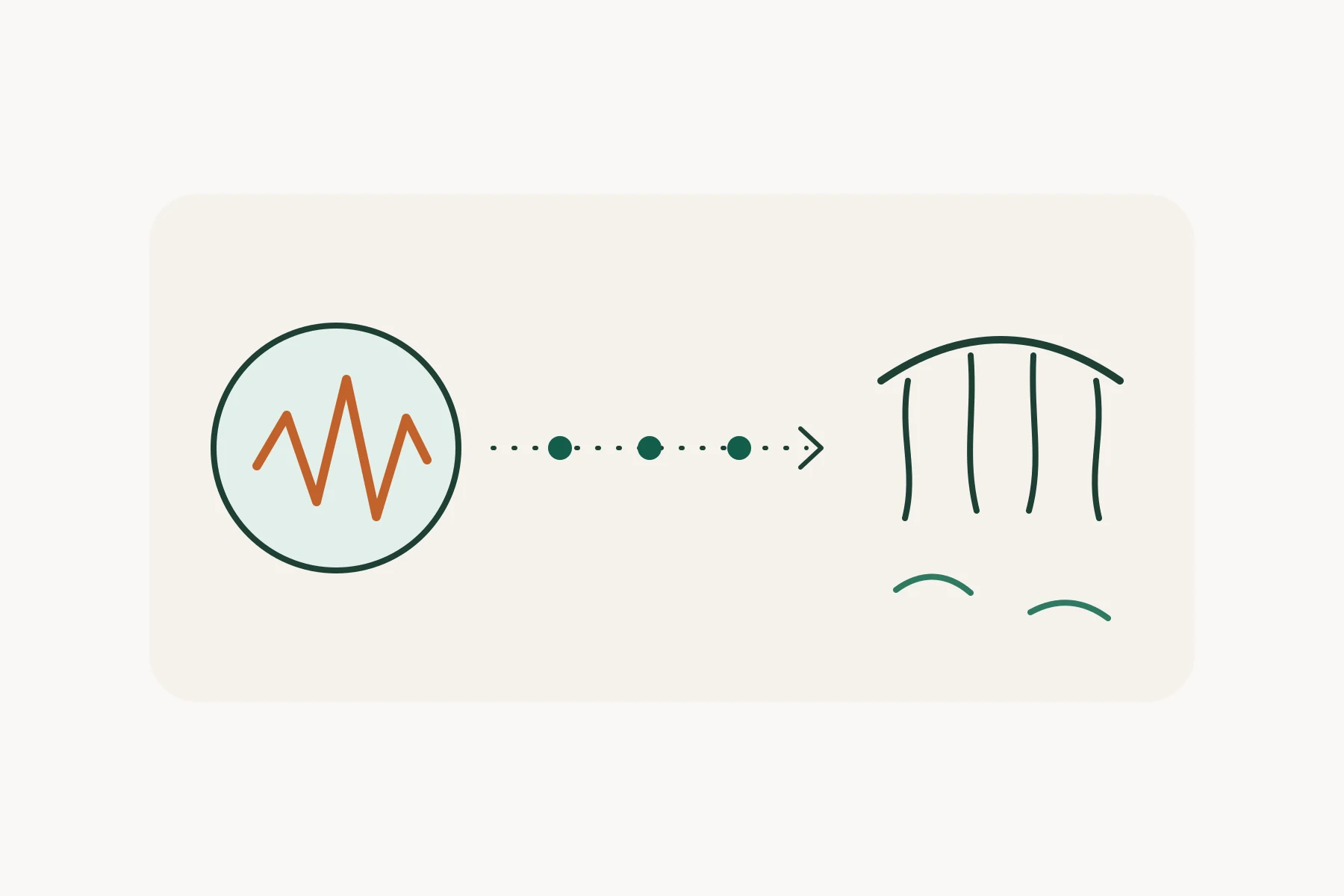
Hair grows in cycles. After a significant trigger, more hairs can enter a resting phase and shed later. The American Academy of Dermatology describes delayed shedding after illness, surgery, childbirth and psychological stress. This increased shedding is called telogen effluvium.
An ongoing stressor can be associated with prolonged shedding. Timing varies, and the amount of hair in a brush alone cannot establish a diagnosis (AAD: shedding). It is reasonable to mention a stressful event to your clinician without assuming it is the whole explanation.
Could something else be involved?
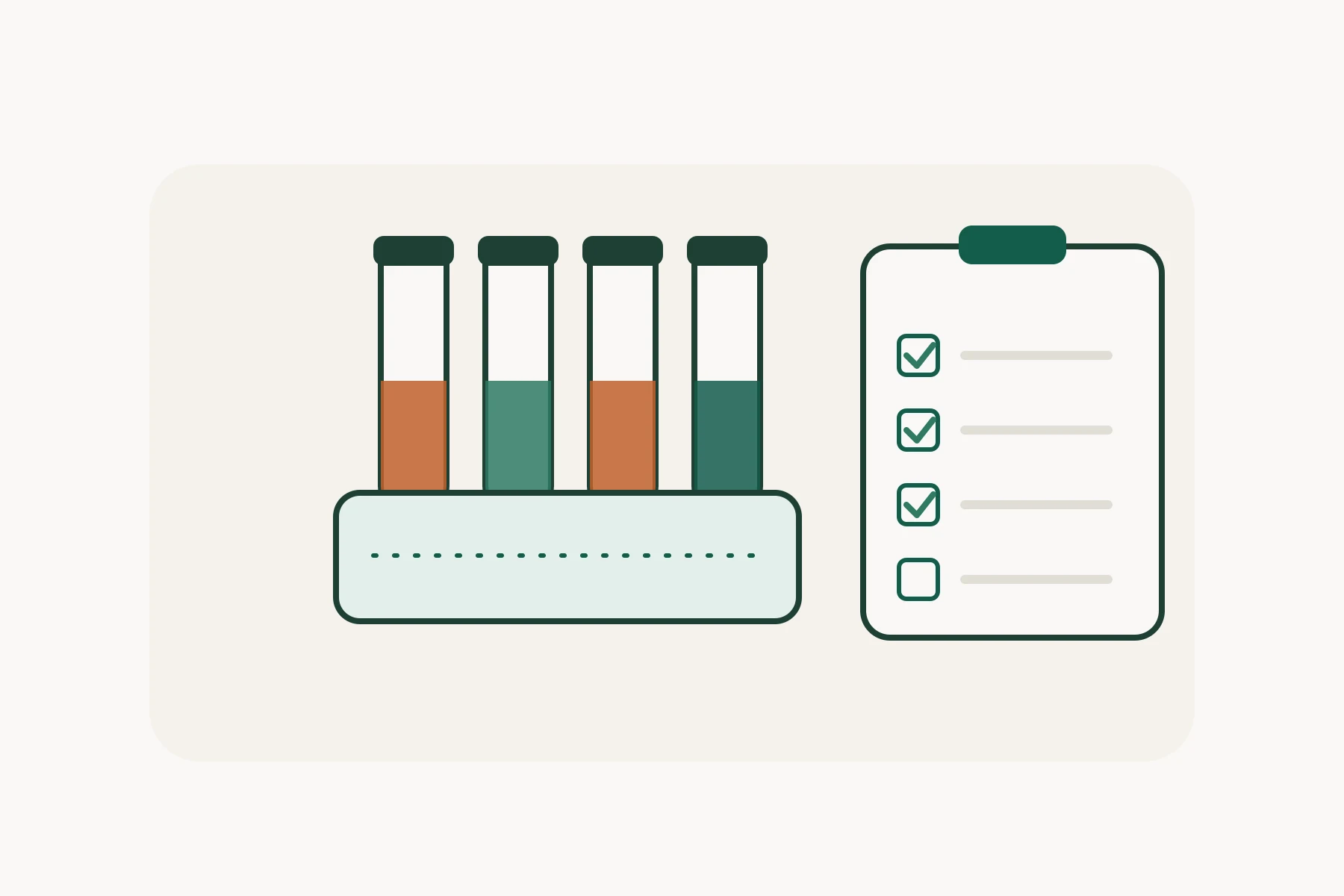
Temporary shedding may reveal previously less noticeable pattern thinning. Other possibilities include low iron, thyroid disease, medicines and inflammatory scalp conditions. A dermatologist can consider your history and the pattern of hair loss, and order tests if indicated.
If you have noticed a widening part or receding hairline, record that as well as the shedding. Tell the clinician when each change became noticeable. This gives them a fuller picture than a single observation about the amount of hair on a brush.
You do not need to decide beforehand whether stress, an illness or another change is responsible. Bring the details you remember and ask what the pattern suggests. If the diagnosis is unclear, an assessment can help decide what to examine or investigate next.
How can you track the change?
Write a simple timeline. Note when you first noticed the shedding and any illness, major life event, diet change, childbirth or medicine change in the preceding months. The dates do not have to be perfect; approximate notes can still help you explain the sequence.
You can photograph your part and hairline under consistent lighting, perhaps monthly, instead of checking repeatedly throughout the day. This is a tracking aid, not a diagnostic test. Bring the photos and your notes if you arrange a consultation.
Your notes might include:
- When you first noticed more shedding.
- Whether you have also noticed a widening part or receding hairline.
- Any illness or major life event in the preceding months.
- Changes in diet or medicines, or childbirth during that period.
- Questions you want to ask about the pattern and next step.
What can you do for support?
Work towards regular meals and sleep, and choose stress support that is realistic for you. That could mean a walk, time with someone you trust, a change in workload, counselling or medical support when needed.
Stress management is useful for wellbeing, but it is not a guaranteed stand-alone cure for every hair-loss condition. No one should be blamed for shedding or told simply to stop worrying. If stress is affecting your sleep, daily life or ability to cope, a health professional can help with that too.
You can talk about the hair change and the effect stress is having on your life in the same appointment. Explain what is most difficult for you and ask what support is available. The goal is to find a practical next step that fits your circumstances.
When should you seek an assessment?
Arrange a review if shedding persists, the diagnosis is unclear, or you notice a widening part or receding hairline. A dermatologist can look at the pattern and consider your history. Bring your timeline and photographs if you have them, along with any questions about the change.
Seek prompt in-person care for sudden patches, pain, marked redness, scaling or signs of scarring. These signs deserve an examination rather than an assumption that stress is the explanation.
Many episodes of post-trigger shedding improve as the body readjusts, but individual timelines vary and another cause may need separate care (AAD guidance). Ask your clinician what follow-up makes sense for your own situation.
The bottom line
Stress or a physical event can be followed by delayed shedding, but it is one possible explanation. Record the changes, seek support for stress when you need it, and arrange an assessment if the pattern is unclear or concerning.
If you want a dermatologist’s view, you can begin an Elevren hair assessment. Starting costs nothing, and you see the dermatologist's recommendation and the price before you decide to pay.
Related reading
This article is general information. It is not a substitute for a consultation with a qualified dermatologist.